Most homeowners start dreaming about an outdoor kitchen with visions of Saturday BBQs and cold drinks, not paperwork and building inspectors. It feels like a minor upgrade. It’s outside. It’s not a full addition. So it shouldn’t be a big deal.
In Florida, especially in cities like Sarasota, that’s usually where things get messy. Electrical runs for refrigeration, gas lines for grills, and even how a pergola is anchored for wind can trigger permits people never see coming. Add local codes and HOA rules, and projects stall fast. This guide skips the fluff and breaks down the permits homeowners miss, the traps that cause delays, and how to stay compliant without slowing your build.
The Short Answer (And Why It’s Rarely That Simple)
The reality is that for an outdoor kitchen in Florida, you almost always need a permit. While a portable grill is fine, the moment you connect permanent electrical lines, plumbing, or gas, the city gets involved. Florida’s strict state building codes, designed to withstand decades of tropical storms, require that any permanent structure meet specific safety standards.
Whatever you do, don’t rely on the “my neighbor didn’t need one” excuse. Every location has different zoning laws and setbacks. Your neighbor might have forced a build without approval, or their backyard layout simply fell under different restrictions. Following bad advice can lead to heavy fines and a demand to tear down your quality construction.
What Type of Outdoor Kitchen You’re Building Matters
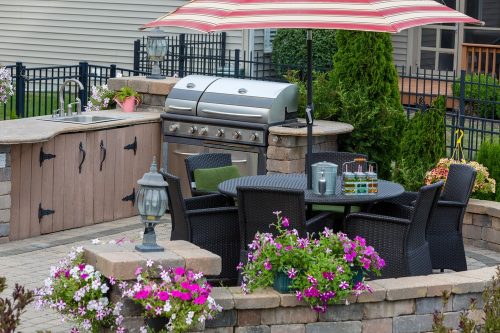
Not all backyard outdoor kitchens are viewed the same way by local authorities. In practice, the complexity of your design (from the appliances you choose to how the structure is anchored) determines which codes are applicable. Understanding these distinctions early helps you plan a smoother path to approval.
Basic Grill Islands vs. Full Outdoor Kitchens
The size and features of your kitchen dictate the application process. A simple, standalone island with no utilities often bypasses major paperwork. However, projects featuring built-in appliances like a sink, refrigerator, or lighting require you to file for trade-specific inspections. If your custom setup includes a roof or cover, it must be engineered for Florida wind loads, which adds another layer to the required permits.
Permanent Structures vs. Modular Setups
Style and simplicity matter to the building department. Modular kits that sit on the ground may have fewer restrictions because they aren’t fixed. However, custom construction with heavy countertops, storage drawers, and masonry is considered permanent. These builds must respect property lines, setbacks, and drainage requirements. To avoid costly mistakes, always verify the distance from your landscaping to the house before installing anything that cannot be easily moved.
Permits Florida Homeowners Commonly Overlook
Even if your style leans toward simplicity, once you move beyond the ground-level basics, several trade-specific permits bring the city into the process. It’s the small details, like where you connect a refrigerator, that often lead to costly mistakes if not handled by a contractor during the design phase.
Electrical Permits
To create a functional backyard outdoor space, you need power for lighting, outlets, and cooling. Florida code is strict about GFCI protection and moisture-rated wiring. An electrical permit is required to verify proper burial depth, grounding, and moisture protection during inspection.
Plumbing & Gas Permits
Installing a sink or a gas-powered grill requires more than just a quick hookup. You’ll need to schedule inspections for water lines and drainage to ensure drainage complies with local code and doesn’t create runoff or contamination issues.
Structural & Zoning Approvals
Zoning laws dictate the distance a structure must be from property lines (known as setbacks). Before installing masonry countertops, built-in storage, or a roof, you must gain approval to ensure you aren’t violating HOA restrictions or local easements.
County and City Rules Can Override State Assumptions
While the state provides a baseline, each city has the final say on an outdoor kitchen project in Florida. Local inspectors often interpret temporary vs. permanent differently, meaning a plan approved in one county might be rejected in another.
Some municipalities require extra inspections for wind-load resistance, while others focus heavily on how your space impacts neighborhood drainage. To avoid fines, delays, or being forced into a teardown, always verify local requirements early. A professional will always provide the necessary paperwork to ensure your custom build follows every local rule, keeping your budget safe from unexpected fines.
What Happens If You Build Without a Permit
Think of skipping the permit as a “tax” you’ll pay later with interest. In Florida, an unpermitted outdoor kitchen isn’t just a secret between you and your contractor. It becomes a serious liability. If a city inspector catches wind of the project, they won’t just slap you with fines; they can issue a stop-work order that freezes your backyard in a state of mid-construction chaos.
The real headache, though, happens years down the road. When you try to sell, unpermitted structures can tank a deal during the title search. Worse yet, if a hurricane hits and causes damage, your insurance provider might deny the claim entirely because the structure wasn’t built or permitted to code. In the end, you lose access to the coverage you’ve been paying for, turning a quality investment into a legal nightmare.
When a Professional Builder Actually Saves You Money
It’s tempting to DIY the paperwork to save a few bucks, but the reality is that a pro usually pays for themselves. An experienced builder knows how to bundle your plumbing, electrical lines, and structural permits so they move through the city system together.
Instead of getting forced into weeks of delays because you missed a small detail in the application, a builder ensures you pass inspections the first time. They help you avoid the costly mistakes of mid-project redesigns that happen when a homeowner realizes their sink drainage isn’t up to state code. It’s about more than just construction; it’s about buying the peace of mind that your kitchen will stand for decades.
How the Permitting Process Typically Works
Getting your outdoor kitchen in Florida legal isn’t a one-and-done task. It’s a sequence of checkpoints designed to keep your home safe. Here’s what the road to approval actually looks like:
The Design Phase: You’ll create a plan that accounts for property lines, setbacks, and where your utilities will connect.
Filing the Paperwork: Your contractor will file the specific applications for your location, including details on everything from countertops to drawers.
The Inspection Gauntlet: You’ll need to schedule inspections at various stages, like when electrical lines are still exposed, before the final sign-off gives you full access to your new space.
Quick Checklist Before You Start Planning
Building a great outdoor kitchen in Florida starts long before the first stone is laid. To keep your project on track and avoid local restrictions, you need to look at your backyard the way an inspector will. Getting these details right early prevents expensive mid-build changes or failed inspections.
Utilities Involved: Will you connect a sink, refrigerator, or gas grill? Each requires specific permits and inspections.
Structure & Cover: Adding a roof or pergola? It must meet Florida wind-load requirements.
Property Lines: Does your design comply with local setback rules?
Zoning Review: Will drainage, grading, or landscaping interfere with easements?
Let’s Make Sure Your Outdoor Kitchen Is Done Right
Permit requirements vary by city, and small details can quickly slow a project down. You shouldn’t have to decode building departments just to upgrade your backyard.
If clarity matters before moving forward, schedule a free consultation. The team at Creative Outdoor Kitchen will review the design, explain which permits apply in the specific area, and outline the steps required for approval. Planning correctly from the start helps ensure the outdoor kitchen in Florida moves forward without delays or costly surprises.