You start looking at prices, and nothing lines up. One quote feels doable. The next one jumps way higher. That’s usually when an outdoor kitchen on a budget turns into cutting corners just to make it work.
That’s where things go wrong.
Most bad builds don’t fail because of budget. They fail because the wrong parts got trimmed.
In Florida, those mistakes show up fast. Heat, rain, and shifting soil don’t wait around. What looked like a deal can turn into repairs before the next summer hits.
The goal is to spend your money wisely rather than simply spending a lot of it.
This guide breaks down where you can save money, where you should hold the line, and how to build something that actually lasts in places like Orlando, Tampa, and Naples.
Why “Budget Builds” Fail More Than They Should
People assume cheaper builds fail because they’re cheap. That’s not really it.
The real issue is priority. Too much focus on how things look, but not enough on how they are built.
You see it often. Someone invests in outdoor granite countertops or a pizza oven, but skips proper base prep. Everything looks great at first, and then the cracks show. Cabinets shift. Water starts pooling.
Florida speeds that process up. Heat and moisture don’t give you time to recover from small mistakes.
A common example is a homeowner installing a basic, standalone counter on an existing patio without checking slope or drainage. It works fine at the start. After a few storms, water sits underneath. Materials begin to break down.
That’s how a budget-friendly project turns into a repair job.
A smart outdoor kitchen on a budget is not about spending less everywhere. It’s about protecting the parts that hold everything together.
What Actually Drives Outdoor Kitchen Cost in Florida
Before you try to control your outdoor kitchen budget, you need to understand what drives the cost. It’s not just the grill.
The biggest factors are:
Utilities like gas, electric, and outdoor spigot connections
Structural work, especially in sandy soil, is common in Naples.
Material choices like natural stone countertops vs concrete countertops
Appliances, from a simple gas grill to a fully equipped grill setup
Electrical requirements have also changed. Outdoor builds now need proper GFCI protection and dedicated circuits for most outdoor appliances. That adds cost, but skipping it leads to bigger issues later.
Layout plays a role, too. Poor planning can increase plumbing costs fast.
If you’re still weighing the value side, this guide breaks down whether an outdoor kitchen is worth the money based on long-term ROI and usage. A solid outdoor kitchen on a budget starts with structure and utilities. Everything else builds from there.
Where You Can Actually Save (Without Regret Later)
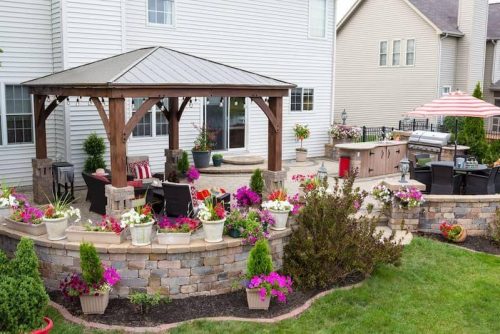
Not everything needs top-tier pricing. This is where you can stretch your budget without hurting the build. The key is simple. Save on finishes and stay smart on function.
Finishes and Surface Materials
This is one of the safest places to adjust your outdoor kitchen budget wisely.
You don’t always need full natural stone. Options like manufactured stone veneers or ceramic tiles still give a clean look and hold up well. Instead of high-end outdoor granite, a sealed concrete countertop with a few coats of protection can perform well in Florida weather. These are more affordable decorative elements that still look intentional.
Appliance Selection (Start Smart, Not Cheap)
This is where people get tripped up. Instead of going secondhand, focus on choosing the right setup first.
Start with a solid gas grill or a one-inset grill. Avoid jumping into a supersized built-in grill if you won’t use it often. A high-quality standalone unit can always be built into the design later. That’s a smarter long-term move than installing a low-quality built-in that rusts out in two seasons.
Phasing the Project
You don’t have to do it all on day one. Just build the essentials now and leave the door open for upgrades later.
You can design your space so you can add:
Stainless steel drawers later
Additional outdoor cabinets
A larger dining area
Some homeowners start with pre-fabricated island frames or ready-to-finish units, then upgrade finishes over time. A well-planned outdoor kitchen on a budget grows with you instead of forcing everything upfront.
Where You Should NEVER Cut Corners
This is where the line gets drawn. You can save in some areas, but not here.
Electrical Work
Electrical has to be done right. Outdoor setups require proper wiring, GFCI outlets, and dedicated circuits. This is even more important now, given the updated code requirements.
If you plan to run overhead ceiling fans, lighting, or even portable patio heaters, the system needs to handle it safely. Cutting here usually means redoing everything later.
Gas and Plumbing Lines
Gas lines for a gas grill or brick oven pizza setup need to be installed correctly from the start. The same goes for water lines. A poorly placed sink can drive up plumbing costs or force a full redesign later. Building near existing utility connections can help reduce plumbing costs, but only if it’s planned early.
Structural Base and Footings
This is the most important piece. Florida soil shifts, and without a solid base, everything built on top of it will eventually move. That includes outdoor cabinets, countertops, and appliances. Even a well-designed outdoor kitchen will fail if the structure underneath isn’t right.
Drainage and Layout
Water is one of the biggest threats to your build. If your outdoor space doesn’t drain properly, materials start breaking down fast. Cabinets warp. Surfaces fade.
Layout matters too. A poorly planned dining area or cooking zone makes the space frustrating to use.
Weather-Ready Materials
This is not where you go cheap. Use durable kitchen materials and UV protection materials that can handle the Florida sun.
Stick with:
Stainless steel fixtures
Outdoor grade cabinets
Surfaces that offer maintenance-free upkeep
Trying to save here usually leads to replacing everything sooner than expected. A durable outdoor kitchen on a budget still protects the core. That’s what makes it last.
The 70/30 Rule for an Outdoor Kitchen on a Budget (Without Ruining the Design)
When you focus on the aesthetics before the structure, it’s a lot easier for the budget to spiral out of control.
A better approach keeps things balanced.
Spend about 70 percent of your budget on function. Structure, layout, utilities.
Use the remaining 30 percent on finishes and upgrades.
This keeps your outdoor kitchen design grounded.
Instead of overspending on outdoor granite countertops, you might invest in a better layout and use lower-cost kitchen materials that still perform well. This approach works especially well when designing around an extended patio or adding an overhead structure that can offer ample shade.
If you want a closer look at how this logic applies to actual projects, you can see how the 70/30 rule for backyard design keeps your spending and your vision in sync.
A balanced outdoor kitchen on a budget always starts with function first.
A Realistic Budget Breakdown (What You Actually Get at Each Level)
Here’s what most homeowners in Florida can expect.
$8K to $15K | Basic setup with basic standalone counter, grill, minimal utilities | Light backyard fun and simple setups |
$15K to $30K | Improved layout, added outdoor cabinets, better materials like stainless steel countertops | Functional everyday use |
$30K+ | Full layout with dining area, premium appliances and materials, features like wood burning fireplace | Full dream outdoor kitchen experience |
At higher tiers, you also get better comfort. More shade. Better flow. Spaces that feel usable even during cooler off-season months. A smart outdoor kitchen on a budget is not about picking the lowest tier. It’s about understanding what each level actually delivers.
Florida-Specific Budget Traps Most Homeowners Miss
Florida adds a few challenges that people don’t always plan for. One of the biggest is heat gain.
If your outdoor granite or countertop sits in direct Orlando sun, it becomes too hot to touch by mid-afternoon. Skipping shade to save money can make the space unusable for hours each day.
Saving a few thousand by avoiding an overhead structure or pergola can cost you daily use of the space.
Material choice is another trap. Heat and humidity break down low-quality finishes quickly. That’s why choosing durable materials matters more here.
Placement also affects cost. Building near an indoor kitchen’s window can help reduce plumbing costs and simplify connections.
Permits and weather exposure also come into play. Coastal areas like Naples deal with more moisture and corrosion.
To see how these projects are specifically engineered for the local environment, this guide explains what goes into building outdoor kitchens for Florida weather and conditions.
A smart outdoor kitchen on a budget always accounts for the environment first.
How to Tell If a “Budget Quote” Is Actually a Risk
A low quote isn’t always bad. But missing details usually are.
Watch for these signs:
No mention of electrical specs
No breakdown of appliances and materials
No discussion of drainage or layout
Pricing that feels vague
A strong quote explains what you’re getting.
Lists materials like stainless steel and outdoor-grade cabinets | Uses general terms |
Explains layout and utilities | Skips structure |
Focuses on long-term performance | Focuses only on price |
A real outdoor kitchen on a budget is transparent. If the price feels too good and the details are missing, there’s usually a reason behind it.
Build Smart, Not Just Cheap
An outdoor kitchen on a budget can absolutely work. The difference is in how you approach it.
Focus on structure first. Get utilities right. Use materials that hold up in Florida heat and humidity. Then adjust finishes based on what fits your budget. That’s how you avoid rebuilding later.
The goal isn’t to cut everything. It’s to build in the right order so the space actually works. At Creative Outdoor Kitchens, the focus stays on getting those core decisions right from the start. That’s what turns a simple setup into something you can use, enjoy, and rely on long term.
Frequently Asked Questions
An outdoor kitchen on a budget in Florida typically costs between $8,000 to $15,000 for a basic setup. Costs increase based on utilities, materials, and layout complexity, especially in cities like Orlando and Tampa, where permits and code requirements apply.
The most affordable approach is to start with a simple grill setup, use cost-effective materials like concrete countertops, and build on an existing patio. Planning for future upgrades helps avoid overspending upfront.
You should never cut corners on electrical work, gas lines, structural base, or drainage. These are critical for safety and long-term durability, especially in Florida’s heat and moisture-heavy environment.
Yes, many homeowners build in phases by starting with core features like a grill and counter, then adding cabinets, appliances, and seating later. This approach helps manage the budget without sacrificing quality.
Durable materials like stainless steel, outdoor-grade cabinets, and UV-resistant surfaces perform best in Florida. These materials handle heat, humidity, and rain better than cheaper alternatives.