Most homeowners start the same way: “something around 10×10 or maybe 12×12.” It sounds simple, but once quotes start coming in, the numbers feel all over the place. One contractor says one thing, another says something completely different. That’s where confusion sets in.
The truth is, size alone doesn’t define your outdoor kitchen cost. What really matters is what goes inside that space, layout, materials, and the type of outdoor kitchen appliances you choose.
A 10×10 setup can feel complete and efficient, or it can feel tight depending on how it’s designed. A 12×12 can open things up, or just add unused square footage if it’s not planned right.
This guide breaks it down clearly, so you know what you’re actually paying for.
Why 10x10 and 12x12 Outdoor Kitchens Are So Popular in Florida
In places like Fort Myers, Cape Coral, and Naples, space planning matters more than people think. A lot of homes already have an existing patio or pool deck, so the goal isn’t to build bigger. It’s to build smarter.
That’s where 10×10 and 12×12 layouts hit the sweet spot.
They’re big enough to create a functional outdoor cooking space, but still compact enough to fit within screened enclosures or tight backyard patio layouts. You get room for a built-in grill, some counter space, maybe even an outdoor refrigerator, without overwhelming the yard.
Another reason? Florida’s climate. You’re not designing for four seasons, but you’re designing for year-round use. That means your outdoor kitchen design has to work with heat, humidity, and sudden rain. Smaller, efficient layouts are easier to cover, protect, and maintain.
Many homeowners realize they don’t need a massive footprint. They just need the right setup that works every weekend.
What Actually Drives the Cost (It’s Not Just Size)
Before you think in terms of square footage or per-square-foot pricing, take a step back. The outdoor kitchen cost in Florida is shaped by several factors, and most of them have nothing to do with whether you choose 10×10 or 12×12.
Let’s break down what really moves the number.
Layout Complexity
A straight grill island is the most budget-friendly layout. Once you move into L-shapes or perimeter kitchen setups, the cost climbs.
Why? More structure, more materials, more labor.
For example, a simple 10×10 layout with a straight run might stay efficient. But turn that into an L-shape with wraparound prep space, and suddenly you’re adding more framing, more finish work, and more installation time.
If you’re unsure how layout affects flow, this guide on outdoor kitchen layout rules explains how spacing impacts usability without wasting space.
Appliance Package
This is where budgets swing the most.
A standalone grill vs a built-in grill is a completely different price tier. Add-ons like a pizza oven, ice maker, outdoor sink, or small fridge quickly stack up.
Here’s a simple way to think about it:
Basic: Grill + minimal storage
Mid range appliances: Grill + fridge + sink
High-end: Full outdoor kitchen appliances suite + vent hood + extras
A homeowner in Naples might start with a grill and fridge, then realize they want a wet bar or prep sink for entertaining. That’s how a mid-range build quietly turns into a higher investment.
Material Choices
Materials matter more than size.
You can build the same 12×12 footprint using:
Treated wood framing with stucco finish
Or full natural stone with premium countertops
Both might look similar in photos, but they perform very differently over time.
In Florida, especially in coastal areas like Naples or Cape Coral, salt air and humidity wear things down fast. That’s why many custom outdoor kitchen builds now lean toward 316 marine-grade stainless steel for appliances and hardware, along with HDPE cabinetry that won’t warp or absorb moisture.
It’s not just about looks. It’s about durability.
Going cheaper upfront might feel like a win, but replacing rusted components or swollen cabinetry a few years in usually costs more in the long run.
Utility Work and Connections
This is where a lot of budgets get caught off guard.
Running gas lines, electrical lines, and plumbing for a built-in sink or fridge adds real cost, especially if your existing utilities aren’t close.
Some common add-ons:
Extending utility lines across the yard
Upgrading panels for appliance load
Adding drainage for a prep sink
If your outdoor kitchen project is far from the house, expect higher labor costs and trenching.
Labor and Local Factors
Finally, professional installation varies by location.
In Naples or Fort Myers, demand for experienced outdoor kitchen builder teams is high. That affects timelines and pricing.
Add in local codes, building permit requirements, and inspections, and your outdoor kitchen cost becomes less about size, and more about execution.
10x10 Outdoor Kitchen Cost Breakdown (What You Actually Get)
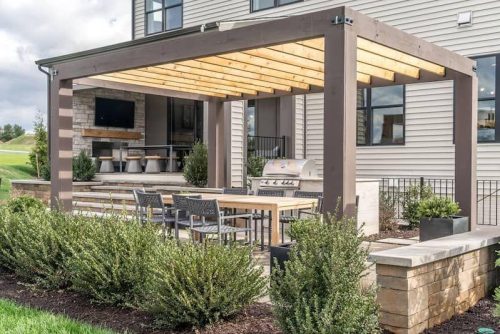
A 10×10 layout is all about efficiency. If planned right, it covers the essentials without wasted space.
Budget Range | What You Get | Reality Check |
$10K–$15K | Basic grill island, limited counter space | Enough for the basics, but you’ll still be walking back inside for extra supplies |
$15K–$25K | Built in grill, small fridge, better finishes | Feels complete, but space gets tight once more than a few people gather |
$25K–$35K+ | Upgraded materials, added storage, lighting | Polished look, but still not built for full hosting |
At this size, every inch matters. You’re designing for function—food preparation, cooking, and quick cleanup—not full hosting.
A homeowner in Cape Coral might love how clean and efficient it feels day-to-day. But once a few guests show up, you start noticing the limits.
This is where smart outdoor kitchen design matters more than adding extra features.
12x12 Outdoor Kitchen Cost Breakdown (What You Actually Get)
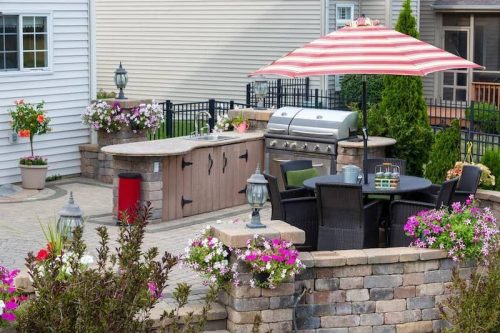
Step up to 12×12, and things start to open up.
Budget Range | What You Get | Upgrade Potential |
$15K–$25K | Larger prep zones, grill + fridge | Room for better layout |
$25K–$40K | L-shape, more storage, improved finishes | Entertaining-friendly |
$40K–$75K+ | Full appliance setup, bar-style seating area, premium materials | Luxury-level setup with room to customize |
This size allows for better flow. You can separate cooking from prep, maybe even add a prep sink or extend counters for guests.
In higher-end areas like Naples, it’s not unusual for builds to push past $50K once you start layering in custom stone, upgraded finishes, and newer smart outdoor kitchen appliances.
A 12×12 doesn’t just give you more space. It gives you flexibility. And that’s what most homeowners end up valuing the most.
10x10 vs 12x12: Which Size Actually Fits Your Lifestyle?
This decision comes down to how you use your space, not just how much space you have.
Factor | 10x10 | 12x12 |
Best For | Daily cooking | Hosting + entertaining |
Layout | Simple | Flexible |
Appliances | Basic to moderate | Moderate to full |
Seating | Minimal | Possible |
If your goal is a simple outdoor cooking setup, 10×10 works. It’s efficient, easier to manage, and often more budget-friendly.
But if your vision includes guests, drinks, and a place to gather, 12×12 makes more sense.
If you’re still weighing the value, this breakdown on whether an outdoor kitchen is worth the money helps clarify long-term benefits like resale value.
Hidden Costs Most Homeowners Miss
This is where budgets quietly stretch. It’s not the grill or countertops, but it’s everything behind the scenes.
Some common hidden costs:
Extending utility connections across the yard
Permits and local codes requirements
Drainage adjustments for Florida’s heavy rain
Electrical upgrades for other appliances
One big change in 2026: updated electrical standards now require GFCI protection on all outdoor outlets, not just near sinks. That means dedicated circuits and added electrical work, which can slightly increase labor costs compared to older builds.
A homeowner in Fort Myers might plan a simple setup, only to realize the utility efficiency isn’t there. Suddenly, trenching and panel upgrades get added.
Also, don’t overlook finishing details. Matching your existing patio, adding an outdoor kitchen cover, or upgrading materials can push costs higher.
These aren’t “extras.” They’re part of making the space actually usable.
How to Get More Value Without Increasing Size
You don’t always need a bigger layout. You just need a smarter one.
Here’s how to save money without sacrificing function:
Focus on layout first. A well-planned 10×10 can outperform a poorly designed 12×12.
Choose quality appliances over too many features.
Keep utility lines close to reduce labor.
Avoid unnecessary add-ons early, expand later if needed.
One concept that helps here is the idea of balance. If too much of your space is packed with cabinets and appliances, it starts to feel cramped fast. This breakdown of the 70/30 rule for backyard design shows how keeping enough open space actually makes smaller layouts feel bigger and easier to use.
For example, instead of adding a pizza oven right away, build the core setup first. Leave space for upgrades.
Also, skip the temptation of a full DIY outdoor kitchen unless you fully understand DIY installation challenges in Florida. Weather, permits, and materials make it more complex than it looks.
A solid custom outdoor kitchen isn’t about size. It’s about how well it works every time you step outside.
When a 10x10 or 12x12 Layout Isn’t Enough
Sometimes, even 12×12 feels limiting.
This usually happens when:
You host often
You want multiple cooking zones.
You’re combining it with a pool or full outdoor space design.
A high-end outdoor kitchen often needs more room for features like extended bar seating, full appliance sets, an integrated sound system, and a larger prep space.
In these cases, trying to force everything into a smaller footprint leads to compromises. It’s better to scale the design than overload it. Many homeowners start with a “dream outdoor kitchen” idea, then try to shrink it into a fixed size. That’s where layouts stop working.
Sometimes the right move isn’t upgrading features. Just expanding the footprint.
Cost Comes Down to How You Use the Space
At the end of the day, the outdoor kitchen cost isn’t really about 10×10 or 12×12. It’s about how you plan to use it. If it’s just for cooking, a smaller layout works. If it’s for hosting, relaxing, and enjoying the great outdoors, you’ll need more flexibility.
The key is building around your habits, not just copying a layout.
That’s where working with an experienced outdoor kitchen builder makes the difference. A team like Creative Outdoor Kitchen helps map out what actually fits your space, your budget, and your goals, before anything gets built.
Because once it’s done, the space should feel natural. Not forced. Not cramped. Just right every time you step outside.