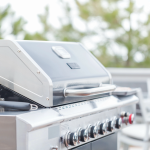
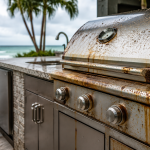
When you start thinking about adding an outdoor kitchen to your backyard, the idea usually sounds simple. A grill, a countertop, maybe a refrigerator, and a few chairs so everyone can sit nearby while you cook. Before long, you’re imagining weekend cookouts, relaxed evenings outside, and a space where family and friends gather around good food.
But building an outdoor cooking space in Florida comes with a few realities that many people don’t expect.
Between humidity, sudden rain, and strong, harsh sunlight, your outdoor kitchen deals with conditions an indoor kitchen never faces. Small oversights during planning can affect everything from airflow to storage and even where your appliances are placed.
Most outdoor kitchen mistakes happen early in the project, usually while deciding on layout, materials, and features. With the right planning, though, you can avoid those problems and create a backyard kitchen that feels comfortable, functional, and enjoyable to use year-round.
Why Outdoor Kitchens Require Different Planning in Florida
If you live in Florida, you already know that outdoor spaces become part of everyday life. Warm evenings make it easy to cook outside, share meals with family, and entertain guests on the patio. But that same climate also means your outdoor kitchen needs careful planning.
Florida weather changes quickly. One minute, the sun is intense; the next minute, afternoon storms roll through. Over time, harsh sunlight, humidity, and seasonal rain can affect materials, appliances, and even how comfortable the cooking area feels.
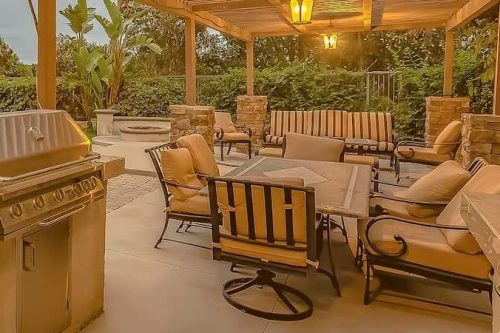
Placement matters too. When the grill, seating, and counter space are arranged without thinking about airflow or shade, the cooking area can become hot and smoky fast. Covered patio structures may trap heat if proper ventilation isn’t considered early in the outdoor kitchen design.
You also need to think about how the kitchen connects to the rest of the house. Access to gas lines, electrical outlets, and water for a sink all affect how practical the space becomes once meals and gatherings start happening regularly.
Many outdoor kitchen mistakes come from treating the project like a simple patio upgrade instead of a fully planned cooking space built for Florida conditions.
The Most Common Outdoor Kitchen Mistakes Florida Homeowners Make
When you start designing an outdoor cooking area, it’s easy to focus on the fun parts—choosing a pizza oven, installing stylish cabinets, or picking bar stools that match your patio furniture. But some of the most important decisions happen before anything is installed.
Many outdoor kitchen mistakes appear during the planning stage. A layout that looks good on paper may feel cramped once people start moving around. A beautiful countertop might lack enough prep space when meals are being prepared. Even small things like lighting or appliance placement can change how practical the kitchen becomes.
Below are several common mistakes you’ll want to watch for when planning your outdoor kitchen.
Not Planning Enough Counter Space
One of the most frequent outdoor kitchen mistakes is underestimating how much counter space you actually need while cooking.
When you’re grilling meals, several things happen at once. You may have raw ingredients, seasoning, grilling tools, serving plates, and drinks all sitting nearby. Without enough counter space, everything ends up crowding the same surface.
A well-designed countertop area should allow room for:
preparing food
setting down utensils and dishes
plating meals before serving
keeping drinks nearby while you cook
Stone surfaces like granite often work well because they handle Florida weather and frequent use. When the prep area feels comfortable, cooking becomes far more enjoyable.
Ignoring Ventilation Around the Grill
Another one of the more frustrating outdoor kitchen mistakes involves airflow.
Many Florida homes have covered patios or patio area structures that provide shade. While that shade helps with the heat, it can also trap smoke if the cooking zone isn’t positioned correctly.
Without proper ventilation, smoke from the grill or ovens drifts toward seating areas and dining spaces. Over time, grease and heat buildup can also affect surrounding walls or cabinets.
Good airflow often comes from thoughtful placement.
Keep the cooking area slightly open so air can circulate. If the kitchen sits under a roof, leaving room above the grill helps smoke move upward instead of toward guests.
This small adjustment can make a big difference in comfort while cooking.
Poor Layout and Traffic Flow
Layout problems are another example of outdoor kitchen mistakes that appear only after the kitchen is finished.
Imagine preparing food while guests constantly walk through the cooking area. Maybe the refrigerator sits behind the grill, or the seating area blocks access to cabinets and drawers.
A good outdoor kitchen design separates activity zones so everyone has room to move.
Kitchen Zone | Purpose |
Cooking | Grill, ovens, and main cooking equipment |
Prep | Countertop space and sink |
Serving | Area for plates, dishes, and drinks |
Seating | Bar stools, chairs, or dining table |
When these zones are planned correctly, you can cook comfortably while guests relax nearby without interrupting the flow of the space.
Choosing Materials That Cannot Handle Florida Weather
Another one of the more expensive outdoor kitchen mistakes involves selecting the wrong materials.
Outdoor kitchens face constant exposure to sun, humidity, and rain. Indoor-style cabinets or low-quality finishes often deteriorate quickly in Florida conditions.
Durable choices usually include:
weather-resistant cabinets
stainless steel appliances
stone or granite countertops
sealed storage drawers for utensils
These materials hold up better against moisture and temperature swings while keeping the kitchen looking stylish.
Forgetting Utilities and Lighting
You may start a DIY design thinking only about the grill, but modern outdoor kitchens often include far more features.
Refrigerators, sinks, and lighting all require utilities. When electrical outlets, water lines, and gas lines are not planned early, installing them later becomes difficult.
Lighting also matters more than most people expect. Cooking after sunset without proper lighting quickly becomes frustrating and even unsafe.
Planning utilities and lighting early helps avoid these outdoor kitchen mistakes and can ultimately save money during installation.
How Professional Outdoor Kitchen Designers Prevent These Mistakes
Professional designers approach an outdoor kitchen differently from a typical patio project. Instead of focusing only on appliances or appearance, they look at how the entire space will function once it’s built.
It usually begins with understanding how you want to cook, entertain, and enjoy your backyard space. From there, the layout can be designed around your lifestyle, whether that means quick weeknight meals or hosting large gatherings with friends.
Designers also evaluate sun exposure, wind direction, and how the kitchen connects to the house. These factors influence where the grill sits, how much counter space you need, and where seating should go.
By planning ventilation, utilities, and storage from the start, experienced builders help prevent outdoor kitchen mistakes before construction even begins.
The result is a kitchen that feels natural to use, not something you constantly adjust around.
Planning an Outdoor Kitchen That Works for Florida Living
A successful outdoor kitchen should support the way you already live outside.
Think about how your backyard is used throughout the week. Some evenings might involve quick meals with family, while weekends may include larger gatherings with friends and neighbors.
Start by considering how much space you need for cooking and dining. Comfortable seating, accessible storage, and durable materials all contribute to a kitchen that feels easy to use.
A few planning ideas include:
designing enough counter space for food prep and serving
choosing outdoor furniture that matches your patio layout
including cabinets and drawers for utensils and grilling tools
selecting appliances built to handle heat and humidity
When these elements come together, the kitchen becomes more than a cooking station. It becomes part of your backyard lifestyle, supporting meals, conversation, and relaxation year-round.
Creating a Backyard Kitchen That Truly Works in Florida
Building an outdoor kitchen should make your backyard feel more inviting, not more complicated. When the layout, materials, and utilities are planned carefully, the space becomes a natural extension of your home.
Avoiding outdoor kitchen mistakes during the planning stage helps ensure the finished kitchen stays functional and comfortable for years. With enough room for cooking, dining, and entertaining, the space becomes somewhere you genuinely enjoy spending time.
With thoughtful planning and the right materials, your outdoor kitchen can become one of the most enjoyable places in your home to cook, relax, and gather with family and friends.
Frequently Asked Questions
Some of the most common outdoor kitchen mistakes include not planning enough counter space, poor grill placement, lack of proper ventilation, and forgetting utilities like gas lines or electrical outlets. These issues often appear after construction, when cooking and entertaining become difficult. Careful planning during the design stage helps prevent these problems.
An outdoor kitchen should include enough counter space for food preparation, serving dishes, and grilling tools. When cooking outside, multiple items are often used at the same time, so limited space quickly becomes frustrating. Adding extra countertop area near the grill and prep zone helps keep the cooking process organized and efficient.
Proper ventilation helps smoke and heat move away from the cooking area, especially when the grill sits under a covered patio or roof. Without good airflow, smoke can drift toward seating areas and make the space uncomfortable for guests. Planning ventilation early in the outdoor kitchen design helps maintain comfort while cooking.
Outdoor kitchens in Florida perform best with weather-resistant materials such as stainless steel appliances, stone or granite countertops, and sealed outdoor cabinets. These materials handle humidity, sunlight, and rain better than indoor-style finishes. Choosing durable materials helps protect the kitchen from long-term wear caused by Florida weather.